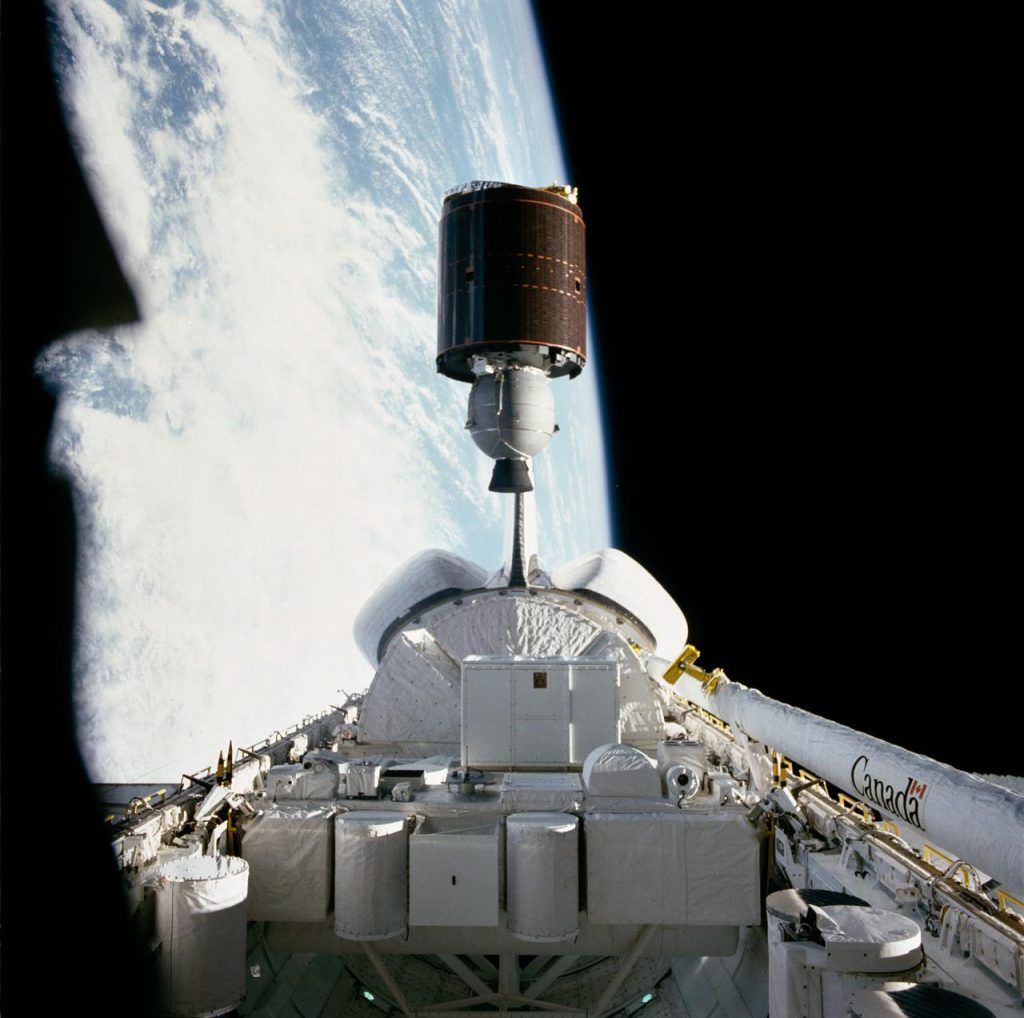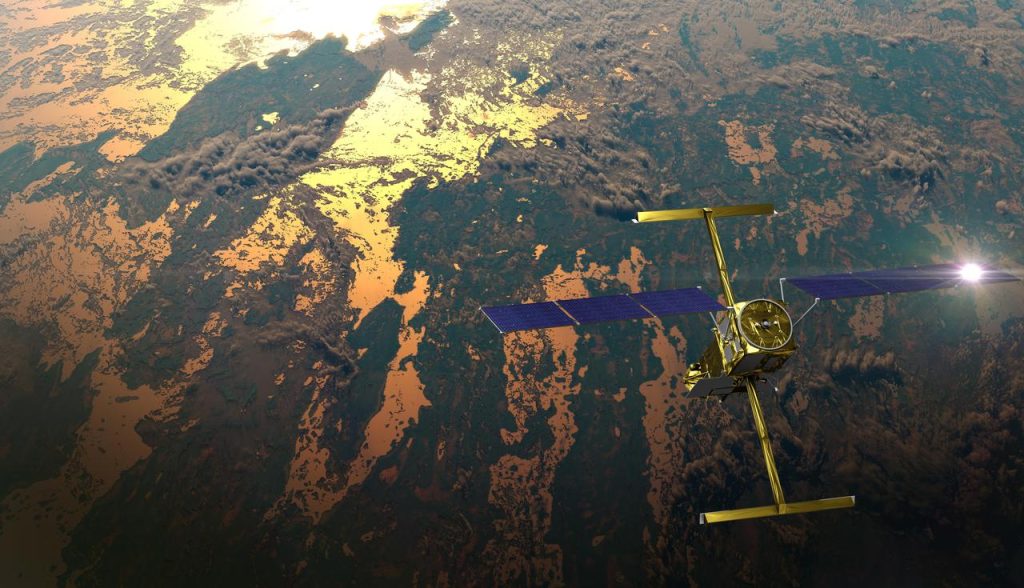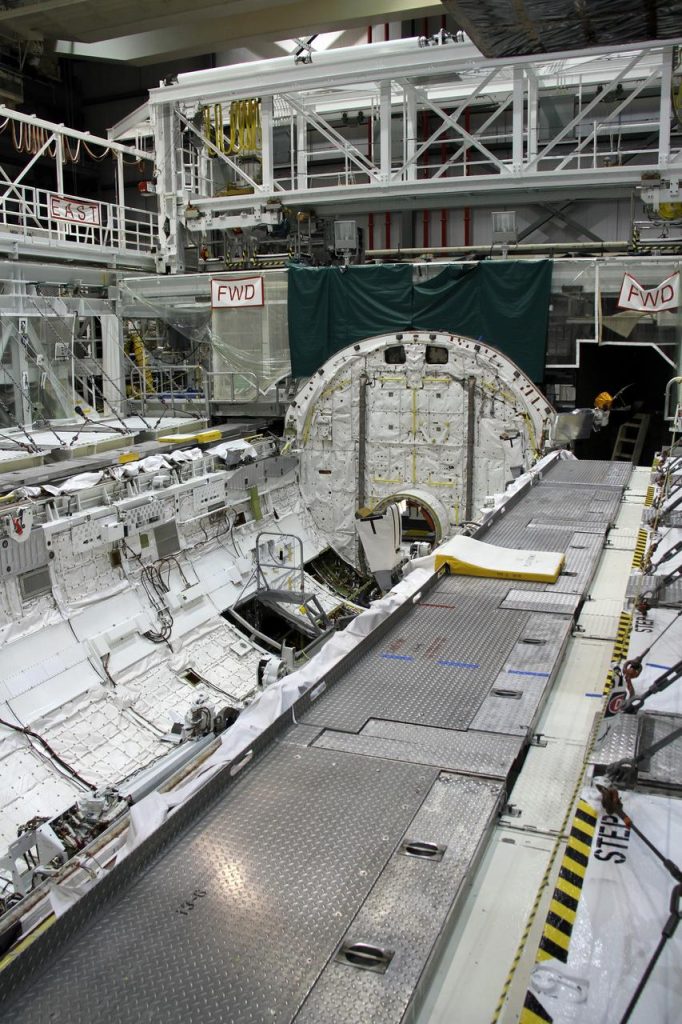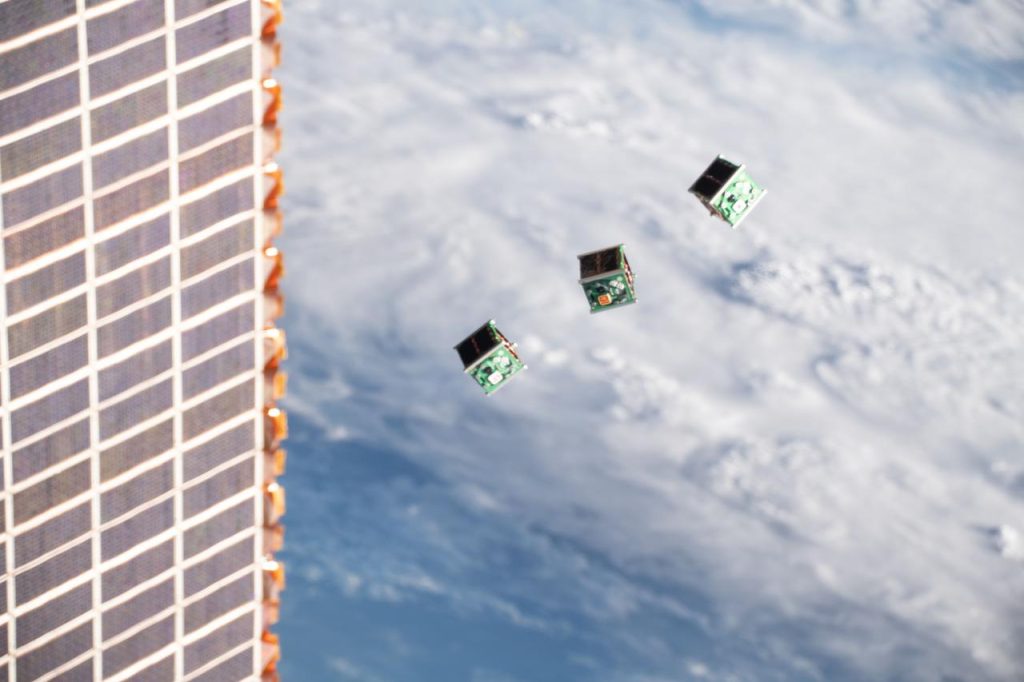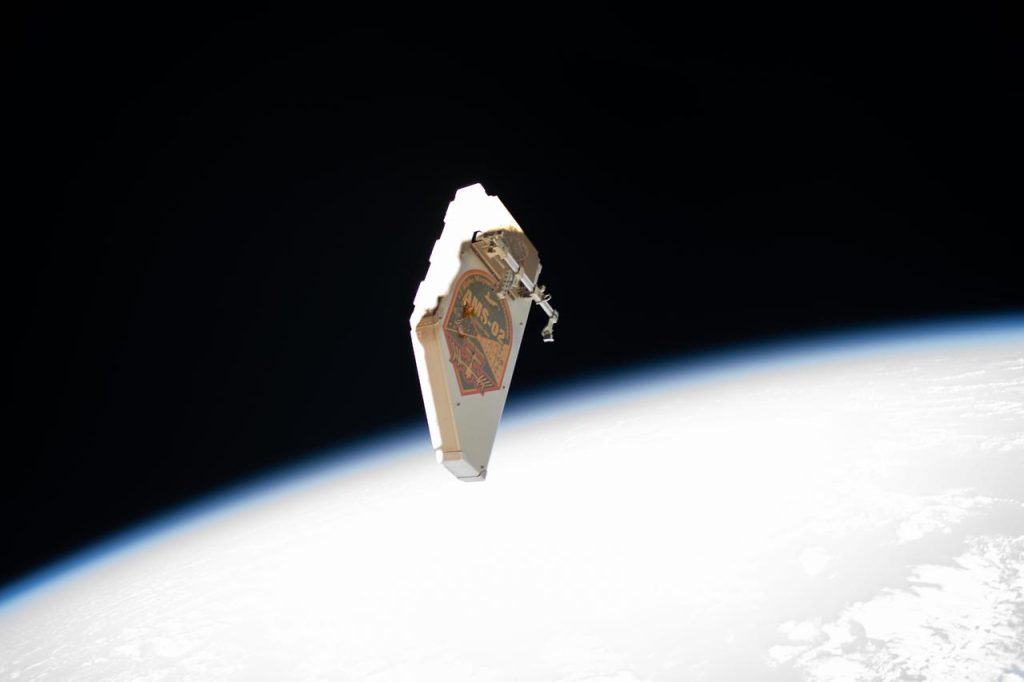
Active Debris Removal LEO Companies: The Race to Clean Up Low Earth Orbit
Astroscale and ClearSpace are turning orbital cleanup into a funded industry, but active debris removal LEO companies still depend almost entirely on government contracts…

Technical analysis of LEO satellite systems: phased array antennas, inter-satellite links, ground segment architecture, latency and orbital debris.
Astroscale and ClearSpace are turning orbital cleanup into a funded industry, but active debris removal LEO companies still depend almost entirely on government contracts…

LEO satellites move at roughly 17,000 mph, forcing terminals to renegotiate links every few seconds. This piece breaks down make-before-break vs. hard handoff engineering,…
All-weather, day-and-night imaging is turning SAR into one of LEO's fastest-growing segments. ICEYE, Capella Space, and Umbra now anchor a market analysts peg near…
How satellites connect to unmodified phones: the link-budget challenge, carrier-spectrum vs satellite-spectrum models, the NTN standards, and who leads the direct-to-device race in 2026.
The satellite you never see is the one on your roof. How electronically steered flat panels — ~1,200 elements switching beams in microseconds —…
The sky gets the attention; the ground gets the bill. Inside the LEO ground segment — gateways as the constellation's on-ramps and jurisdiction points,…
Laser links between satellites moving at 8 km/s turn a constellation into a router in the sky. How optical ISLs work, why the pointing…
36,500 tracked objects, 130 million invisible fragments, 300,000 avoidance maneuvers in one year: the debris threat separated from the folklore. What Kessler's model actually…
GEO carries a 477 ms physics floor no roadmap can lower; LEO's floor is 7 ms and falling toward it. The full technical analysis:…